


| Manufactured By | Oetiker |
|---|---|
| HCL P/N | OET-DEC-101-W1-X |
| Series | Doppel-Ohr |
| Corrosion Resistance | Messe |
| Corrosion Specification | Korrosionsbeständigkeit nach DIN EN ISO 9227 (96 Stunden) |
| Band Material | W1 verzinkter Stahl |
| Finish | verzinkter Stahl |
| Colour | Silber |
| Country of Manufacture | Deutschland |
| Tariff Code | 7326 90 92 |
| Hazardous Goods | Nein |
| RoHS Compliant | Ja |

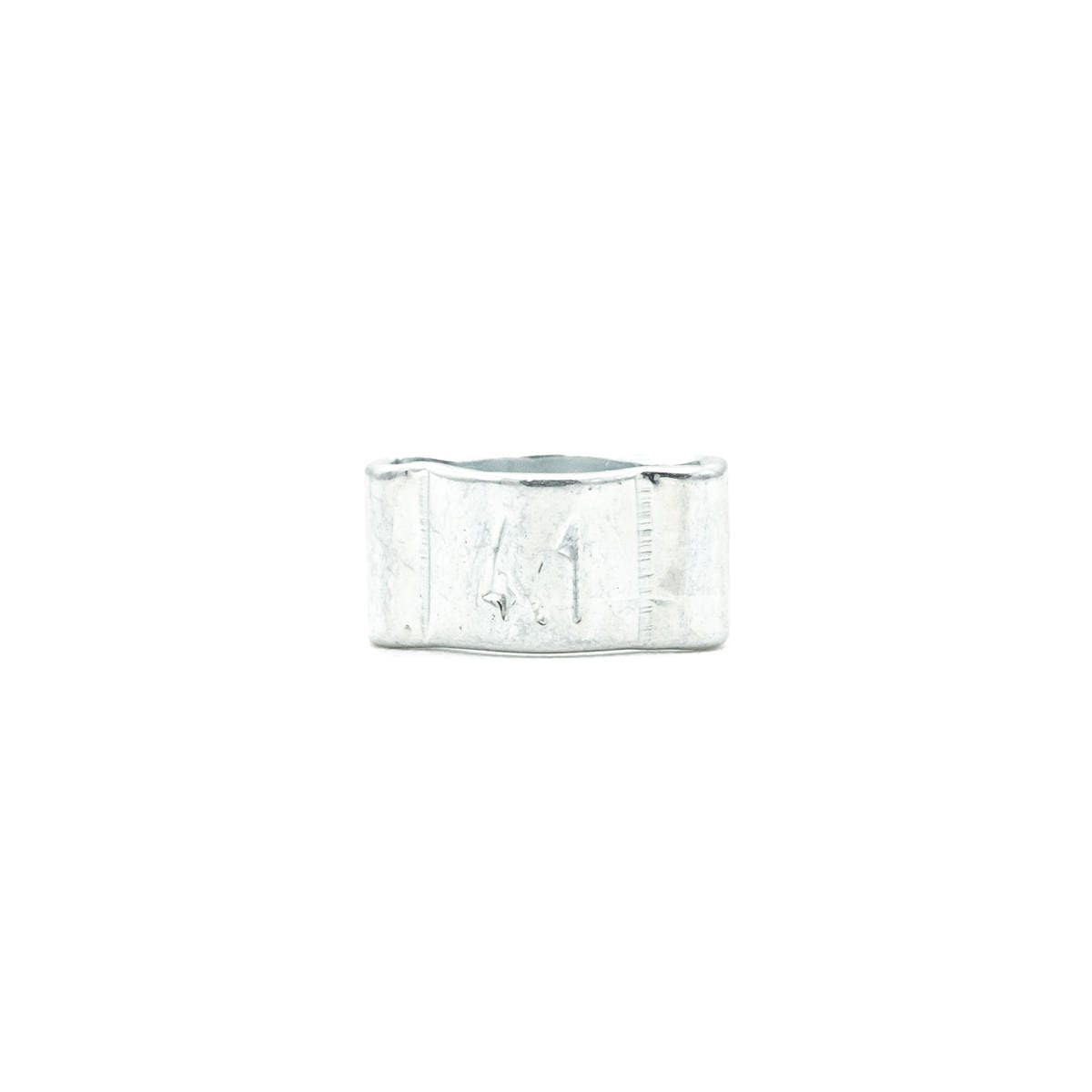
Oetiker | Doppelklemm-Schlauchschellen (mit Ösen) | W1 Verzinkter Stahl | Manipulationssicher
Oetiker | Doppelklemm-Schlauchschellen (mit Ösen) | W1 Verzinkter Stahl | Manipulationssicher
Artikelnummer:OET-DEC-101-W1-3.1
Regulärer Preis
$0.43
Regulärer Preis
Verkaufspreis
$0.43
Stückpreis
pro
Preise inklusive Steuern.
Versand wird an der Kasse berechnet.
50 auf Lager
- Kostenloser Standardversand. Lieferung am nächsten Tag möglich. Erfahren Sie mehr
Benötigen Sie Beratung? Wenden Sie sich an unser kompetentes Kundensupport-Team
Anruf
+420 776 479 955
(Tschechisch und Englisch)
Montag bis Freitag von 8 bis 16 Uhr


Scroll
|
Klemmdurchmesser mm
|
Klemmdurchmesser Innen
|
MFG P/N
|
HCL P/N
|
Korrosionsres
|
Preis
|
Lagerbestand
|
Bestellmenge
|
|
|---|---|---|---|---|---|---|---|---|
| 3,1 mm – 4,3 mm - | 0,12 Zoll - 0,17 Zoll - | 10100000 - | OET-DEC-101-W1-3.1 - | Gerecht - | $0.43 | 50 |
|
|
| 3,4 mm – 5,0 mm - | 0,13 Zoll - 0,20 Zoll - | 10100002 - | OET-DEC-101-W1-3.4 - | Gerecht - | $0.45 | 25 |
|
Beschreibung
Die Ösen dieser Klemmen weisen keine Vertiefung auf und bieten im Vergleich zur 1-Ösen-Klemme einen fast doppelt so großen Klemmbereich. Die beiden Ösen sorgen für eine gewisse Elastizität, um Größenänderungen der zu verbindenden Teile auszugleichen, wie sie beispielsweise durch Wärmeausdehnung oder Vibrationen verursacht werden können.
Die Montageverfahren ähneln denen für 1-Ohr-Klemmen, jedoch kann die beim Schließen des zweiten Ohrs ausgeübte Kraft auf das gegenüberliegende geschlossene Ohr wirken und einen zweiten Crimpvorgang erforderlich machen. Für eine perfekte Abdichtung müssen die Ösen während der Montage ausreichend geschlossen sein
Die Ösen dieser Klemmen sollten mit der empfohlenen, gleichmäßigen Kraft geschlossen werden (bekannt als Kraftpriorität). Diese Methode führt zu einer konstanten, reproduzierbaren Spannung im Klemmenmaterial, ohne die Klemme oder die zu montierenden Teile zu überlasten. Der Nenn-Durchmesser der Klemme
sollte stets so gewählt werden, dass die Ösen bei Montage mit der richtigen Klemmkraft nahezu geschlossen sind.


